
A just energy transition for Kimberley Indigenous communities
Background
Australia, and the world, are in the process of the energy transition – a process whereby we are shifting away from the burning of fossil fuels (oil, gas, coal, diesel) to clean sources of energy – wind, solar, hydroelectricity etc. There is urgency here because we know that burning fossil fuels contributes majorly to the warming of our climate.
In Australia, there are now just over 4 million houses with solar on suburban rooves– and there’s around 5000 new installs per week.
In the Kimberley, this transition started off slowly, but pressure is now on decarbonise our electricity networks with a target of 80% renewables across this region by 2030.
Horizon power is the only state-owned electricity utility in the region, and has a number of processes underway to replace current gas/diesel burning power plants with solar arrays, and in some areas, supported by batteries. See for example Kimberley Community Solar Saver
Renters, those living in social housing, and those living in remote community housing, are currently locked out from accessing the benefits of the energy transition. This is a problem nationally, but it is especially a problem for the Kimberley because of the large numbers of Indigenous people here that fall into these categories of housing, and because of low average incomes, poor standards of housing, hot temperatures for much of the year and high energy costs.
The current cost of energy to maintain thermal comfort for Indigenous households is not sustainable in the face of predicted climate change for the Kimberley.
Project activities
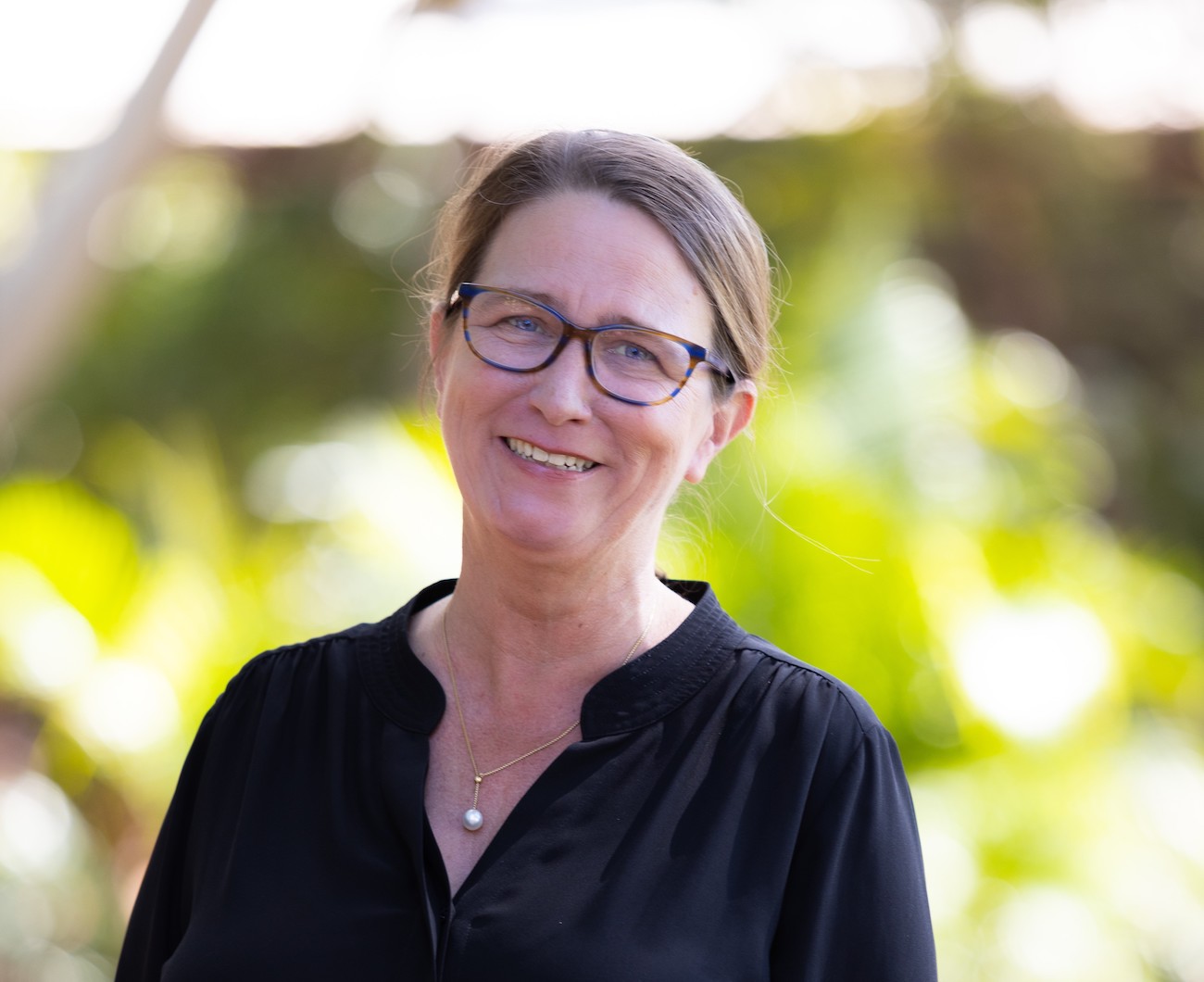
In late November and December 2024, Kathryn, Lloyd and Anna conducted interviews with households in the communities of Djarindjin, Lombodina, One Arm Point and Bidyadanga as part of a much wider study into the lived experience of prepaid electricity metres.
This study, funded by Energy Consumers Australia (ECA-funded research project), and led by Original Power (Original Power) and Dr Tom Longden from the Western Sydney University, is investigating how First Nations families are experiencing prepaid metres across communities of the West Kimberley, Alice Springs town camps, APY lands, Far north Qld and around Tenant Creek. Project findings will be made public in late July 2025.
In February 2025, Lloyd Pigram and Kathryn Thorburn attended the Energy Consumers Australia Charging Forward: Foresighting Forum over two days in Sydney.
In May 2025, the project team returned to communities on the Dampier Peninsula and Bidyadanga, to return results and to discuss next steps.
The Kimberley Aboriginal Clean Energy Project

Project team
Submissions
May 2025
Electricity Code Consultative Committee’s 2024 Review of the Code of Conduct for the Supply of Electricity to Small Use Customers, (with Brad Riley and Sally Wilson from the ANU, and Steve Kinnane and Anna Dwyer from Nulungu)
January 2025
Joint Select Committee on Northern Australia’s inquiry into energy, food and water security (with Ruby Heard, Steve Kinnane, Lloyd Pigram and Anna Dwyer)
Download Submission
June 2024
Inquiry into economic self-determination and opportunities for First Nations Australians (with Dr Lily O’Neill), June 2024
February 2024
Submission to the First Nations Clean Energy Strategy (with Dr Lily O’Neill)
Media links
- ABC Kimberley for with community members in Mowanjum Communities struggle through power cuts of up to 'two to three' times a week - ABC News.
- National Indigenous Times Researchers tackle energy poverty in remote Indigen... | National Indigenous Times
Publications
- O'Neill,L. , Thorburn, K (2025) ‘First Nations at the Forefront: The Changing Landscape of Clean Energy Agreements in Australia’ Energy Research & Social Science. Vol. 127 Pages 104183 https://doi.org/10.1016/j.erss.2025.104183
- O'Neill,L. , Thorburn, K (2025) Trending Up: How clean energy agreement-making in Australia is raising the bar on benefit and co-ownership arrangements for Australian Traditional Owners. Melbourne Climate Futures Discussion Paper. (DOI: 10.26188/28747589)
- O'Neill,L. , Thorburn, K, Riley,B., Maynard, G. Shirlow, E. and Hunt, J. (2021) Renewable energy development on the Indigenous Estate: Free, prior and informed consent and best practice in agreement-making in Australia.
Energy Research & Social Science, Volume 81, pp 1022- 52. ISSN 2214-6296, https://doi.org/10.1016/j.erss.2021.102252 - Thorburn, K., O’Neill, L., Hunt, J. and Aisbett, E. (2019) 'Renewable energy projects on the Indigenous estate: Identifying risks and opportunities of utility-scale versus dispersed models'. Working Paper 2, Zero Carbon for the Asia Pacific Grand Challenge.
- O’Neill, L., Thorburn, K. and Hunt, J. (2018) Ensuring Indigenous benefit from large-scale renewable energy projects: Drawing on experience from extractive industry agreement making and the importance of policy settings. Working Paper 1, Zero Carbon for the Asia Pacific Grand Challenge.
Contact us
For more information or media enquiries, please contact:
Dr Kathryn Thorburn
Email: kathryn.thorburn@nd.edu.au
Assoc Prof Steve Kinnane
Email: stephen.kinnane@nd.edu.au
Connect with Notre Dame on Social Media
Australia
Fremantle
Broome
Sydney